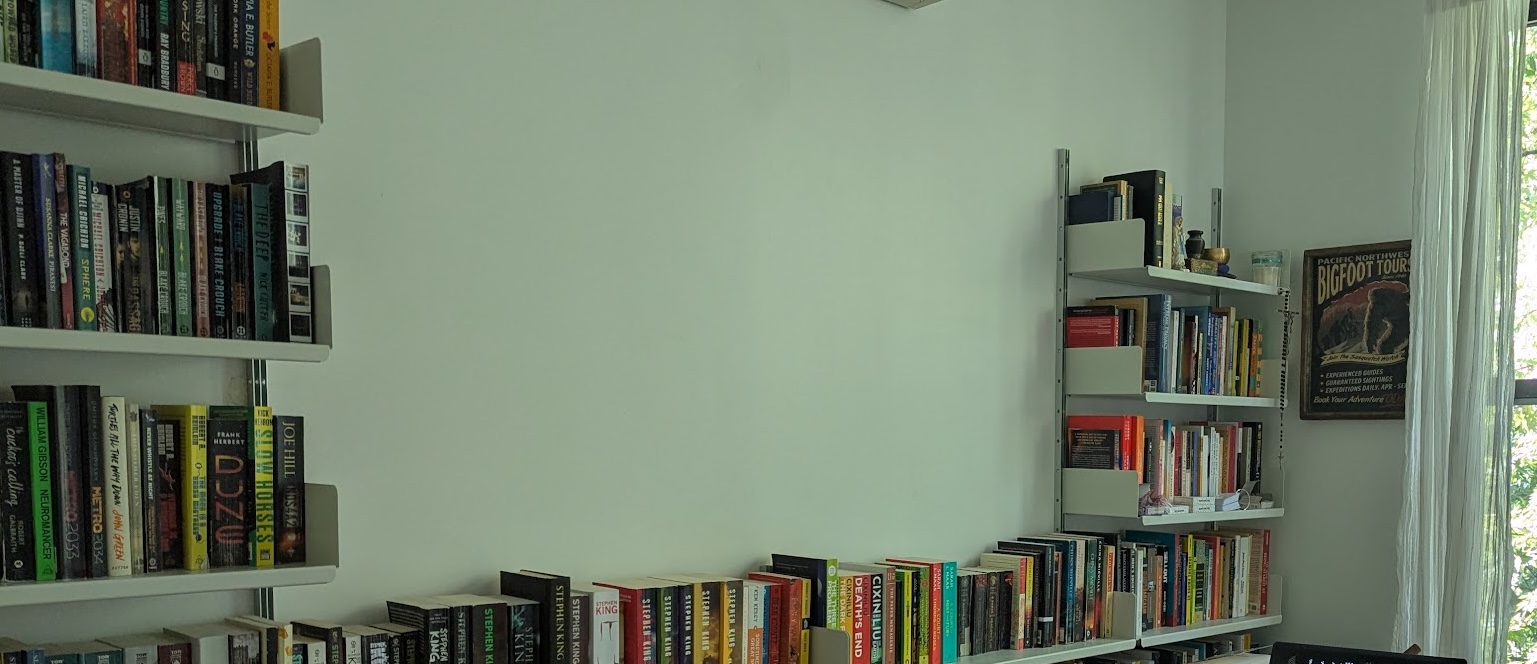
The Top 10:
Shuggie Bain – Douglas Stewart:
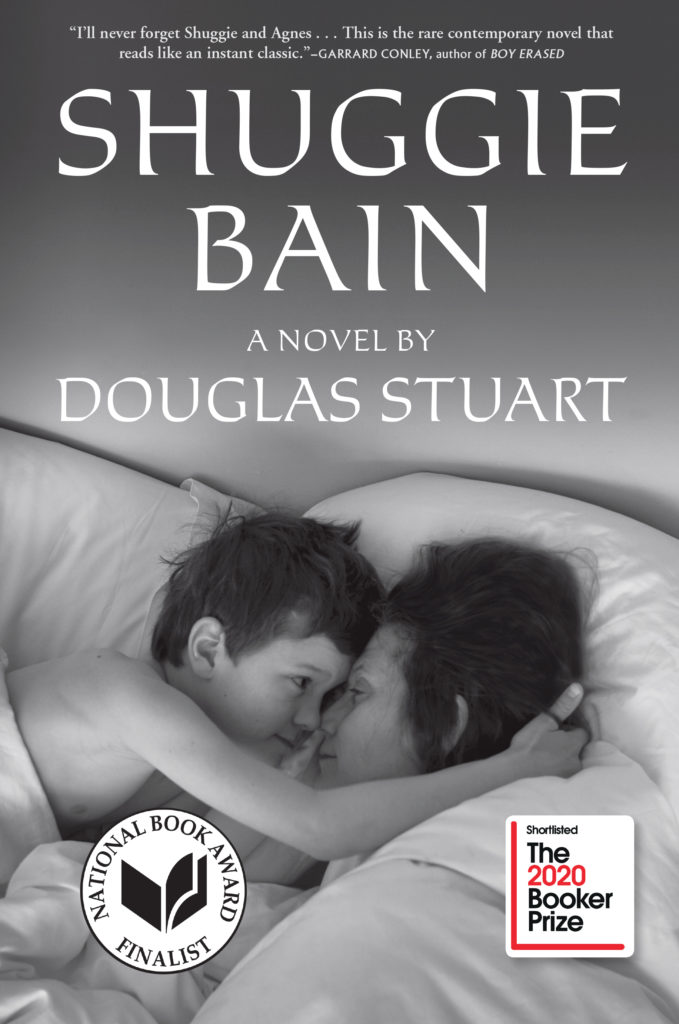
The choice of the best book of the year was a hard one for me. Many books this year moved me in different ways. That said, no book shook my core as much as Shuggie Bain by Douglas Stewart. A tale of growing up in a house plagued by the specter of Alcoholism, amidst poverty, shame, and being different in 1980s Scotland. This book is a tear-jerker but a bildungsroman all the same, and it portrayed addiction through the eyes of a family member better than any I have read so far. Anger, fear, and shame are often shown in addict stories in literature, but Douglas Stewart’s book does a great job of showing what people who didn’t grow up with addicts frequently leave out of the tale. Yes, there is anger, fear, and shame, but at the same time, there is still love, humor, joy, and a whole world of emotions. This book does a great job of showing the nature of addiction through a young boy’s eyes and reminds us that even hell has good days, though that doesn’t mean it’s still not hell.
When Breadth Becomes Air – Paul Kalanithi

Wow. This book was moving beyond belief. The tale of a 30-something-year-old neurosurgeon narrating his own slow demise through lung cancer. Reading this book, I was impressed beyond belief. Death is never good; no one manages to look into the abyss and not flinch. Death does not occur as in the movies, but this narration and the raw fear and honesty expressed in the author’s words made me think that, if there were ever a brave death recorded, it might be Paul Kalanithi’s. This book was truly a meditation on Life, with the subject’s own death the object of concentration; there are no bold affirmations of love and serenity, no false bravado of “Rage, Rage, Rage against the Dying of the Light,” merely truth.
A Prayer for Owen Meany – John Irving
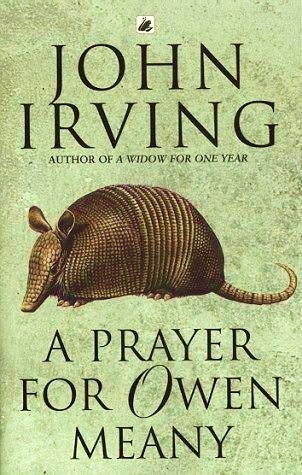
This was a masterfully crafted novel, one in which every small detail becomes essential by the end. It is also a wonderful meditation on what it means to witness a miracle and what a miracle is. How bizarre does coincidence have to be before it is an act of God, and what does it mean if it is an act of God?
Destiny Disrupted: A history of the world through Islamic eyes – Tamim Ansary

This has to be one of the best history books of all time. All too often, we think of history as “What happened” instead of our interpretation of what happened. That is what history really is. And Tamim Ansary does a great job of telling world history through the lens of a “Middle World” perspective, rather than the common “Western World” perspective most of us are familiar with.
The Overstory – Richard Powers
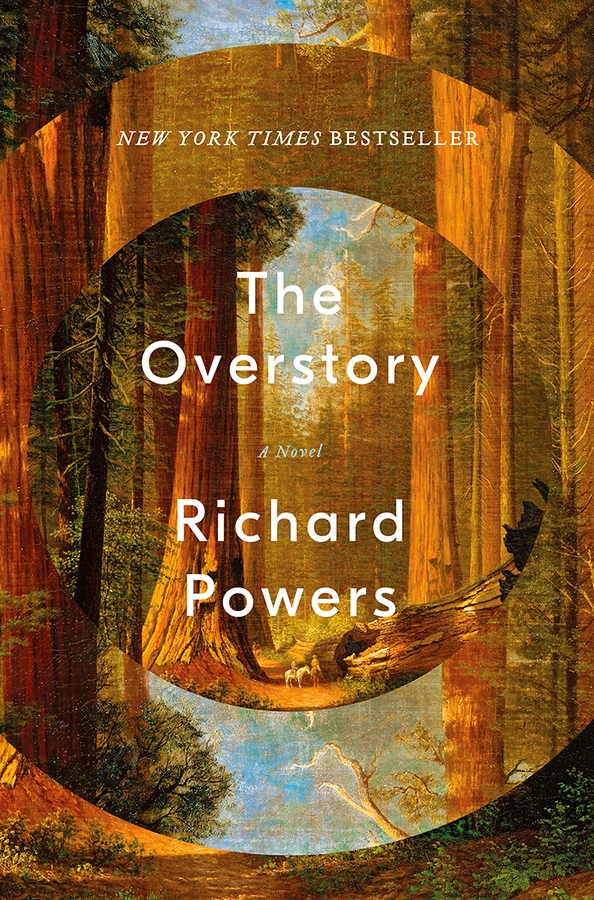
The lives of Eco-terrorists and wise old Oaks, this book was a moving and touching read from its examination of environmentalism and revolutionary activity, to questioning the superiority of Man in a profound and meaningful way. The trees were long before us, and they will be here long after, stolid giants far less perturbed by our machinations than our egos want us to believe. A fantastic book that reads like a plot-rich Dostoevsky novel and yet feels like a Walt Whitman poem.
Les Misérables – Victor Hugo
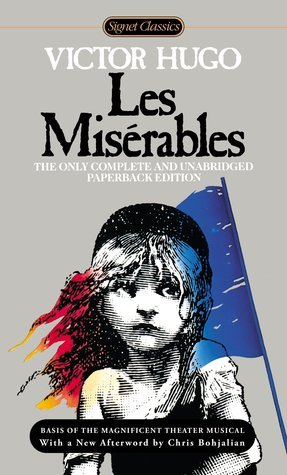
Of the many takeaways from my reading this year, one of the biggest is that the classics are over-feared by many of us today (myself included). They seem like monstrous bores and behemoths conjured up by the long-ago English teacher to scare young students; they are not. Of all the great books I read this year, Les Misérables struck a chord in a way I did not think that books that old could. It was a magnificent tale of revolution, poverty, and what it means to be a good man. The play and the movie do this hefty tome no justice; it is thick, but it is well worth it.
Nickel Boys – Colson Whitehead

A great tale by an author I have come to love over the last 2 years. A moving story about segregation and discrimination told through the eyes of a teenage boy and a grown man. Similar to Shuggie Bain, with its adept depiction of the rare sunny days amid darkness, and yet with a twist at the end that punches the reader in the gut. The twist alone was worth the read, and the story as a whole only added greatness.
The Road – Cormac McCarthy
Who is the best horror writer in English Literature? Not Stephen King, though I love him, it is Cormac McCarthy. His works are truly plausible and real-world horror that is so foreign to most of us nowadays that it seems disturbing. Though not as gruesome as Blood Meridian, The Road is the post-apocalyptic tale we all need. It shows the truth of what could happen one day. There will be no bunkers, no heroic vigilantes, no happy endings. There will be only a world where the living envy the dead.
House of Leaves – Mark Z. Danielewski

Have you ever read a book upside down? Have you ever had a book literally make your head spin? House of Leaves is by far the most divisive horror novel I have ever stumbled across. To half of those who read it, it is erudite, pretentious nonsense. To the other half, it breaks their mind, and suddenly, at 2 am, when you’re about to go to bed, you just can’t help but feel that your walls have moved, and they praise the book as one of the very few horror novels that got them. House of Leaves is like a fucked up National Geographic documentary that forces you to change your perspective as you read, literally. I fall into the “It got me” group, but I will admit it is far from an easy read. It is dense, and the premise doesn’t even sound that scary: What could be so bad about a house that is bigger on the inside than the outside? That is every New Yorker’s dream! And yet the cold objective telling of that dreaded house, in combination with the literal head-turning required to read the book, makes you feel like the last thing in the world you want is more square footage.
Cage Of Souls – Adrian Tchaikovsky
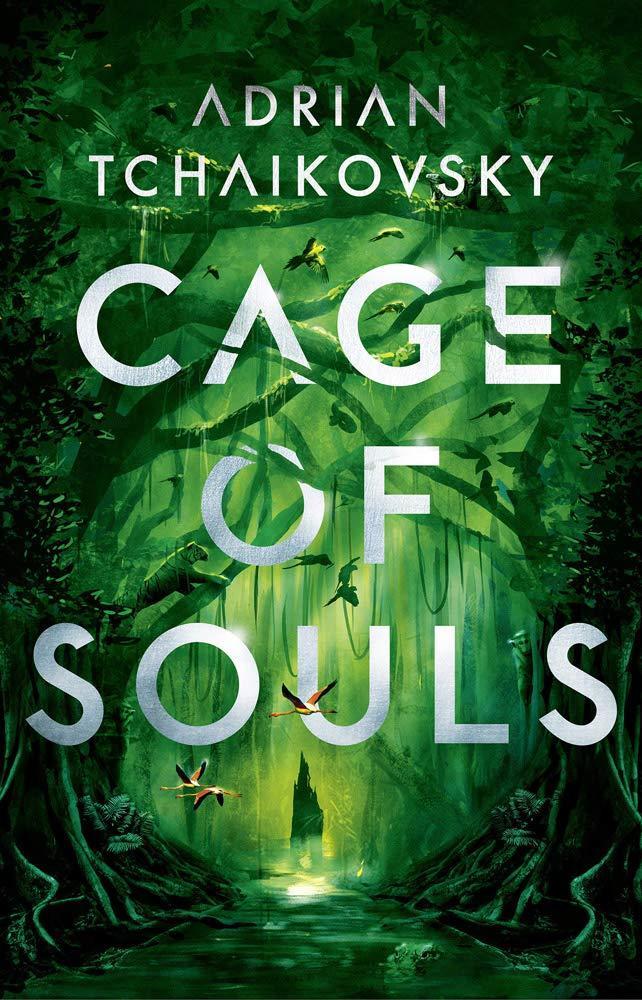
Tchaikovsky is one of the most well-liked sci-fi and fantasy writers of this era. I have always been impressed with his work, yet he has never managed to move me deeply. Until this book, Cage of Souls was a strange blend of Sci-Fi and Fantasy and, somehow, a pre-apocalyptic sonnet as well; for all its weirdness and entangled plotlines, I fell in love with this book. I felt a way I never had before with Tchaikovsky’s work. Every chapter, I just couldn’t wait to find out what happened next. Bizarre, strange, not your usual Tchaikovsky, and yet the best sci-fi/fantasy book I have read this year.
Honorable Mentions
Honorable Mentions, Literary Fiction:
- Lincoln in the Bardo – George Saunders
- Let The Great World Spin – Colum McCann
- James – Percival Everett
- The White Tiger – Aravind Adiga
- Flowers for Algernon – Daniel Keyes
Honorable Mentions, Classics:
- War and Peace – Leo Tolstoy
- Go Tell It on the Mountain – James Baldwin
- East of Eden – John Steinbeck
- Steppenwolf – Hermann Hesse
- The Count of Monte Cristo – Alexander Dumas
Honorable Mentions in Genre Fiction (Sci-Fi, Fantasy, Horror, etc.):
- Vicious – V. E. Schwab
- The Book of Hidden things – Francesco Dimitri
- Kraken – China Mieville
- Anathem – Neal Stephenson
- The Drowned World – JG Ballard
- The Book of Koli – M.R. Caery
- Upgrade – Blake Crouch
- A Song of Ice and Fire 3: A Storm of Swords – George R.R. Martin
- Slow Horses – Mick Herron
- Piranesi – Susana Clarke
- When the Wolf comes Home – Nat Cassidy
Honorable Mentions, Non-Fiction:
- I Contain Multitudes: The Microbes within us and a Grander View of Life – Ed Yong
- This is How They Tell Me The World Ends: The Cyber-weapons Arms Race – Nicole Perloth
- Guns, Germs, and Steel: The Fates of Human Societies – Jared Diamond
- I am a Strange Loop – Douglas Hoffsteder
- The Body: A Guide for Occupants – Bill Bryson
- Quantum mechanics: The Theoretical Minimum – Leonard Susskind & Art Friedman
- Sea People: The Puzzle of Polynesia – Christina Thompson
- Endurance: Shackleton’s Incredible Voyage – Alfred Lansing